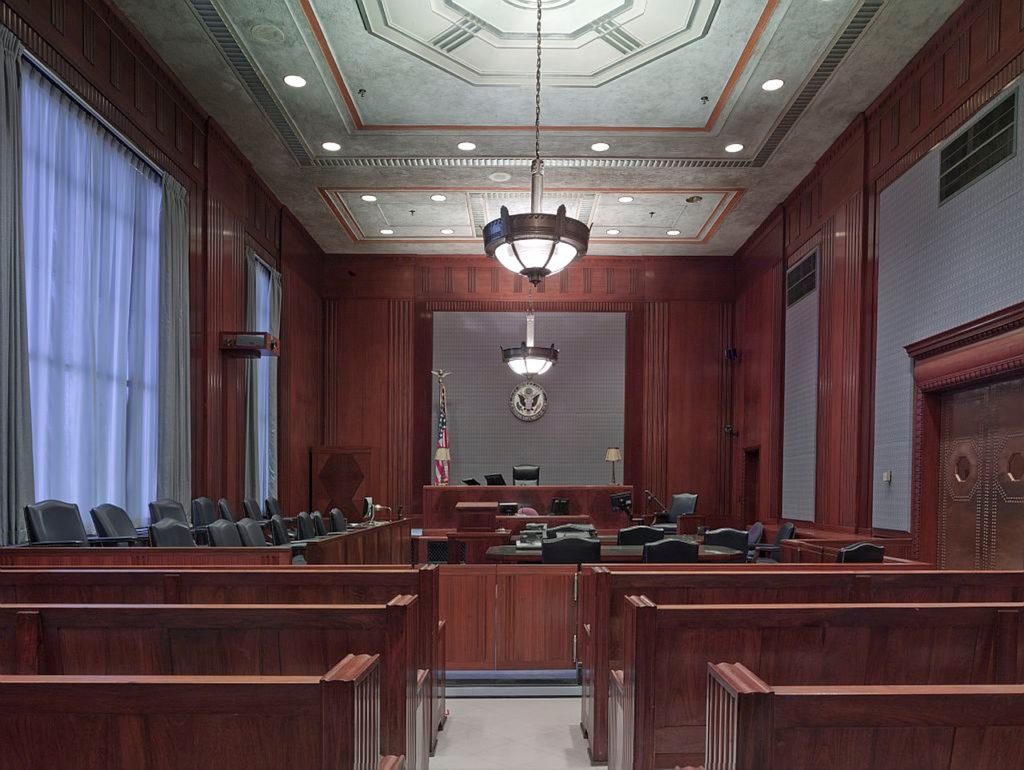
Probate is the legal process for handling a person’s assets upon their death. While it ensures proper administration, many families aim to avoid it due to its potentially lengthy, public, and costly nature.
A beneficiary deed lets you name who will receive your real estate when you pass away without going through probate. It offers a simple and efficient way to ensure your property transfers smoothly to your chosen beneficiary.
A will lets you decide who gets your assets and who manages your estate, but most Americans still do not have one. Hire an attorney to ensure you are properly protected.
Your estate plan isn’t something you should create once and forget about. Regularly reviewing and updating it ensures your assets, loved ones, and legacy remain protected as your life and the law change.
If you have concerns about your future abilities or you want to make sure that all of your bases are covered, it’s time to consider setting up a Power of Attorney.
Estate planning is also about protecting yourself during your lifetime, not just distributing assets after death. It ensures that your wishes are honored if you ever become unable to make decisions on your own.